
KV vs Turns: RC Motor Specs That Actually Matter
Intro
Motor specs get confusing fast once you start seeing KV on one setup and turns on another.
The good news is this is not magic. Once you know what each number is telling you, it gets a whole lot easier to pick a motor that actually fits the way you drive.
The Core Idea (In Plain English)
KV and turns are both motor specs, but they usually show up in different parts of the RC world.
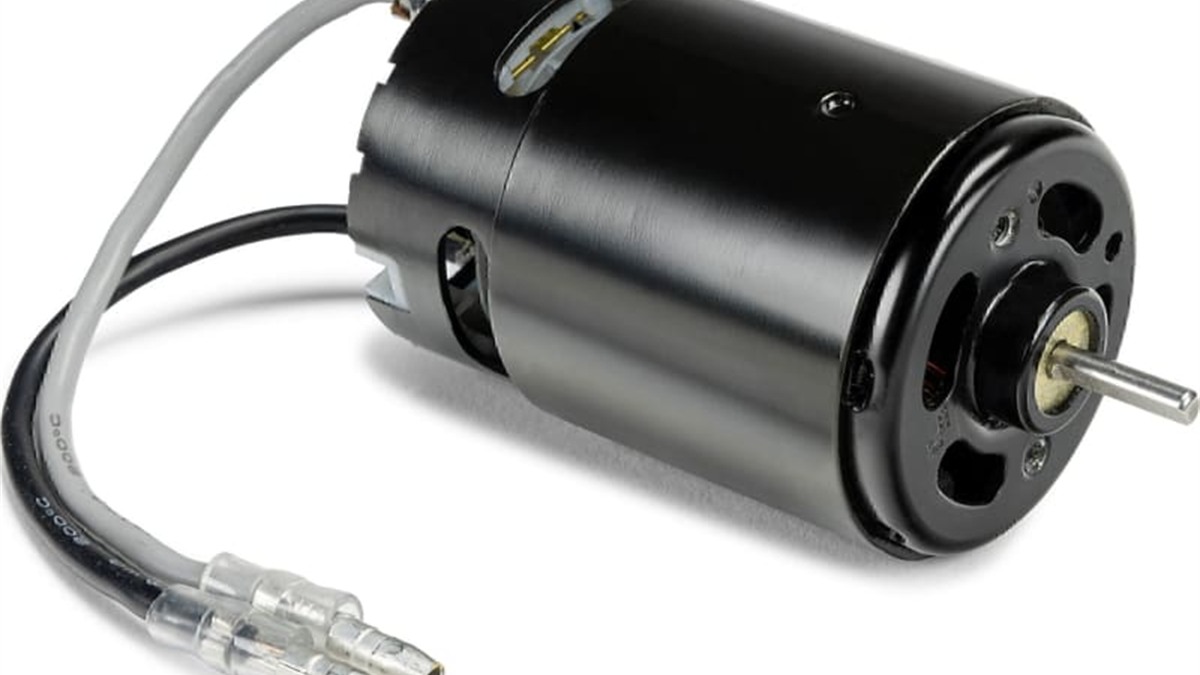
KV is mostly used with brushless motors. Higher KV generally means more rpm per volt, which usually pushes you toward more speed and less low-end control if everything else stays the same. Turns are usually used with brushed motors. Lower turns generally mean a hotter motor with more rpm, while higher turns usually calm the motor down and trade some speed for smoother behavior. If you are still deciding between motor types in the first place, Brushed vs Brushless Motors is the first thing to get straight.
In plain English, higher KV or lower turns usually means more aggression. Lower KV or higher turns usually means more control and easier drivability.
When This Matters (Use Cases)
Scenario 1
You swap a stock brushless setup for a much higher KV motor because you want more speed in a 2WD basher.
The truck wakes up, but now it runs hotter, gets loose on throttle, and feels harder to drive on dirt.
Scenario 2
You are fixing up an older brushed stadium truck and trying to choose between a mild 27-turn motor and something hotter.
That is where turns matter. The wrong choice can turn a fun, easy truck into something twitchy and hard on batteries.
Scenario 3
You are building a crawler and someone suggests a super-high-KV brushless setup because it sounds powerful.
That is usually backwards for technical driving. Crawlers care a lot more about smooth control than big top-end numbers.
What to Look For / Key Considerations
- Higher KV usually means more rpm and more heat potential
- Lower KV usually gives smoother control and easier gearing choices
- Lower turns usually mean a hotter, faster brushed motor
- Higher turns usually mean a milder, easier-to-manage brushed motor
- Motor choice has to match the ESC, battery, and gearing
- More speed on paper does not always mean a better-driving rig
Common Mistakes
- Treating higher KV like an automatic upgrade
- Comparing KV and turns like they are the same scale
- Ignoring heat after swapping motors
- Choosing a motor for speed when the rig really needs control
- Forgetting that gearing changes the whole result
Real Talk
Most people get in trouble chasing motor numbers instead of chasing the way the rig needs to feel.
Pick the motor that matches the job. A controllable setup you can drive hard is better than a fast setup you are always fighting.
Keep Your Rig Dialed
- Use the Parts Finder to find parts that fit your exact RC
- If you already know the category you need, browse related parts and upgrades
- Learn more in Brushed vs Brushless Motors
- Keep dialing it in with RC Motor Temperature Guide
Closing
Ignore the hype and read the motor for what it is trying to do.
The right spec is the one that makes the rig easier to enjoy.